Condé Nast Traveller’s Readers’ Choice Awards named Kenya the world’s friendliest country for 2026, scoring it 98.46 percent from reader votes. That puts Kenya ahead of Thailand, Mexico, Cambodia, Mauritius, and Vietnam, a list of countries that usually top these rankings. The award citation singled out one group in particular: safari guides, whose warmth and hospitality shaped how travelers rated their entire trip.
For a first-time safari-goer, an award like this can feel abstract. It doesn’t tell you which park to pick, what a guide actually does day to day, or whether Kenya is safe for someone who has never left an all-inclusive resort. This guide translates the headline into something useful: what the ranking measures, why guides drove the score, and how to plan a first safari that lives up to it.
What the Friendliest Country Award Actually Measures
Condé Nast Traveller’s Readers’ Choice Awards rely on votes from its own readership, not a government safety index or a crime statistics database. Readers rate countries they have actually visited on factors like welcome, service, and overall experience, then the magazine ranks the results.
That distinction matters. A 98.46 percent friendliness score says something about how visitors felt during their trip, not about infrastructure, cost, or ease of visa paperwork. It’s a satisfaction signal, built from people who already came, stayed, and went home with a strong opinion about how they were treated.
Why the Judges Pointed to Safari Guides
The award citation specifically credited safari guides for the hospitality that pushed Kenya’s score above long-standing favorites like Thailand and Mexico. That’s a notable detail, because guides do more on a Kenyan safari than most first-timers expect.
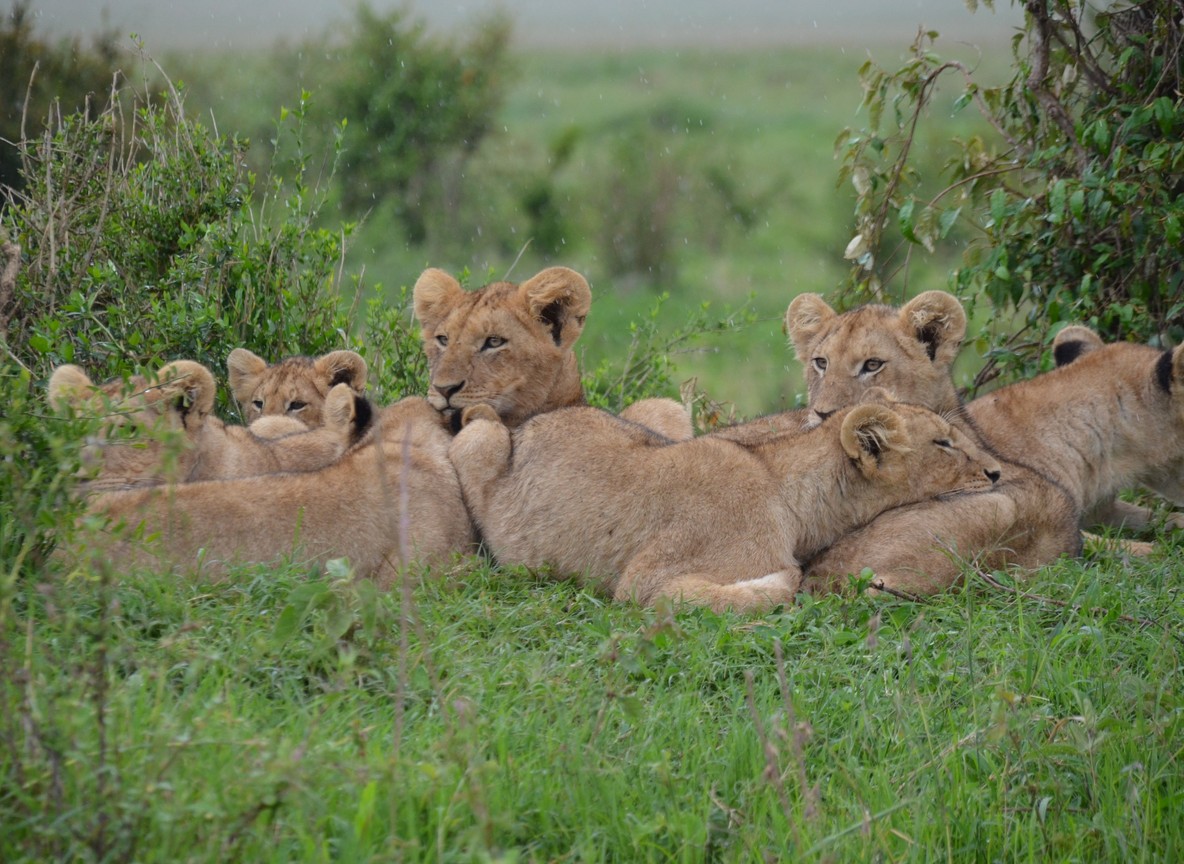
A good guide reads animal behavior, times a game drive around light and heat, and translates what you’re seeing into something memorable rather than just a checklist of species spotted. Many guides in the Maasai Mara and Amboseli ecosystems grew up in the communities surrounding the parks, so the hospitality isn’t a trained script. It’s closer to a host welcoming you into a place they know intimately.
Is Kenya Actually Safe for Tourists in 2026?
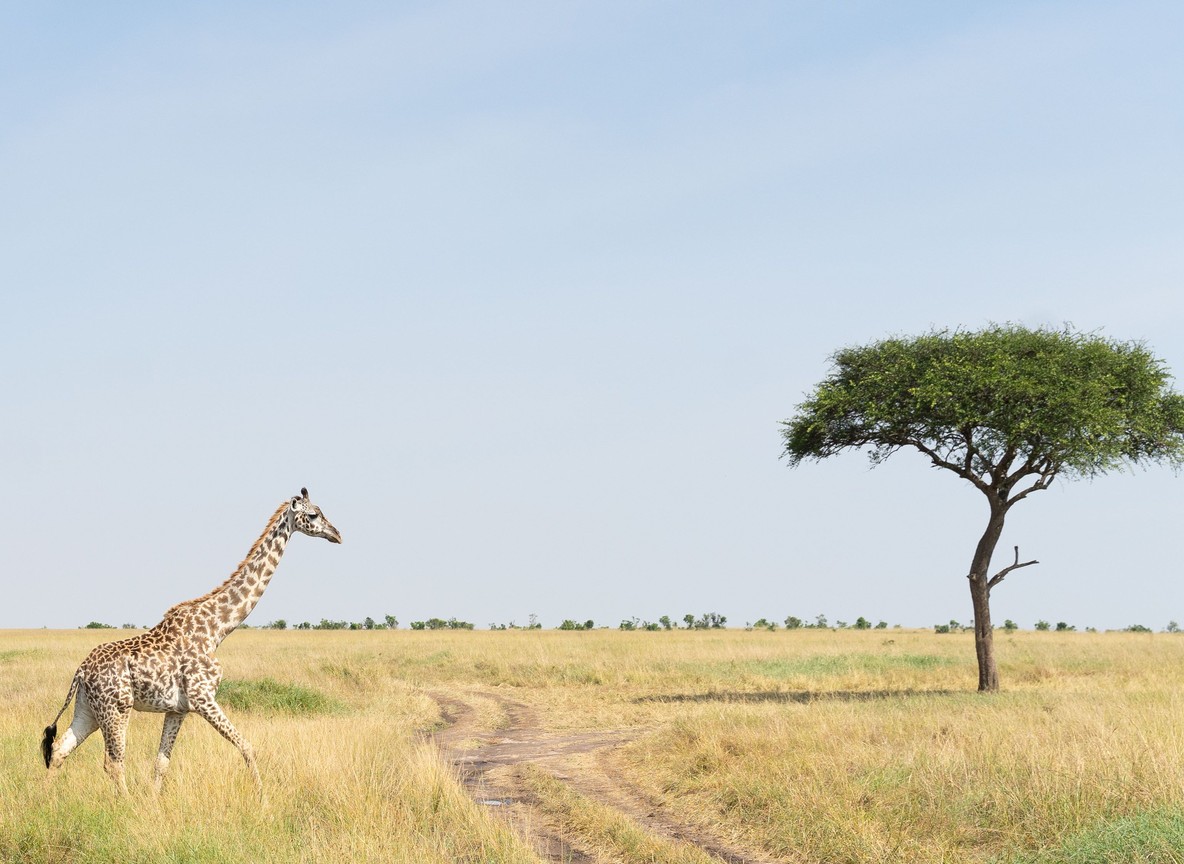
This is the question underneath the award for most first-time visitors, and it deserves a direct answer. Kenya’s established safari circuits, the Maasai Mara, Amboseli, Tsavo, and Lake Nakuru, see heavy year-round tourist traffic. Camp and lodge infrastructure is well developed, drivers are licensed, and park rangers staff every gate.
Petty theft risk exists in Nairobi’s busy urban areas, same as any major city, so standard travel precautions apply there. Inside the parks and conservancies themselves, the primary safety consideration is wildlife behavior, not crime, and briefings at every camp cover that before your first game drive. Most first-time visitors find the biggest adjustment is pace and heat, not personal safety.
Kenya Airways and international carriers run daily flights into Jomo Kenyatta International Airport. Most travelers transfer straight to a domestic flight or a pre-arranged vehicle, without an overnight stop in the city. That single-transfer path, airport to camp, is part of why the safari circuit feels lower-friction than many first-timers expect. Camps also vet and brief their own drivers, so the guide meeting you at the airstrip is already an extension of your stay, not an unknown third party.
Which Parks Suit a First Safari Best
Not every Kenyan park is equally friendly to a first-timer. Distance from Nairobi, road quality, and how developed the tourist infrastructure is all shape how smooth your first days will feel.
| Park/Reserve | Distance from Nairobi | Drive time | Flight time (Wilson Airport) | Indicative entry fee (non-resident, per adult/day) |
|---|---|---|---|---|
| Maasai Mara National Reserve | approx. 270 km | 5-6 hours | approx. 45 min to Musiara or Ol Kiombo airstrip | USD 80-100 |
| Amboseli National Park | approx. 240 km | 4-5 hours | approx. 40 min to Amboseli airstrip | USD 60-80 |
| Lake Nakuru National Park | approx. 160 km | 2.5-3 hours | approx. 30 min to Naishi airstrip | USD 50-60 |
| Tsavo East National Park | approx. 330 km | 4.5-5.5 hours | approx. 40 min to Voi airstrip | USD 45-55 |
Figures are indicative ranges based on typical KWS non-resident gate fees and current road conditions. Confirm exact current fees and airstrip schedules with a local operator before booking, since both shift periodically.
For a genuine first safari, Amboseli and Lake Nakuru offer the gentlest introduction. Both sit close enough to Nairobi for a manageable drive, and both have well-marked, well-maintained park roads. The Maasai Mara rewards a longer stay but asks more of first-timers logistically, especially if you drive rather than fly in.
What Your First Days on Safari Actually Look Like
Most first safaris follow a similar rhythm regardless of which park you choose. Camps wake guests before sunrise for the first game drive, since animals are most active in the cool early hours. A midday break follows, often through the heat of the day, then a second drive begins in late afternoon as temperatures drop again.
Your guide leads every drive, and this is where the friendliness the award cites tends to show up directly. Good guides narrate what’s happening rather than just driving toward sightings, answer questions patiently, and adjust pacing if you’re tired, cold, or want to linger somewhere longer. Tipping guides at the end of a stay is standard practice, and most camps can advise on typical amounts if you ask at check-in.
Booking Timing for a First Trip
Kenya’s dry seasons, roughly January to March and June to October, offer the clearest skies and most reliable wildlife viewing, since animals gather near permanent water sources. First-timers unfamiliar with East Africa’s climate patterns generally have an easier trip booking within these windows, since game drives are less likely to be cut short by heavy rain.
Lodges and camps in the Maasai Mara book out months ahead during the July-to-September migration season. A first-time visitor targeting that window should reserve at least three to four months in advance. Amboseli and Lake Nakuru carry lighter demand and more flexible availability outside peak migration dates.
A typical first Kenya safari runs four to seven nights, long enough to cover two parks without feeling rushed between transfers. A common first-timer route pairs three nights in Amboseli, where Mount Kilimanjaro’s snowcap often appears in early morning light, with three nights in the Maasai Mara for denser wildlife viewing. Flying between the two takes roughly an hour on a scheduled light-aircraft service, which is often simpler for a first trip than a long road transfer between parks.
Explorer Notes
Ask your guide questions early and often. Guides consistently rate curious guests as more rewarding to work with, and the depth of what they’ll share often scales with how much interest you show on day one.
Pack layers rather than heavy jackets. Early morning game drives run cold, sometimes near 10 degrees Celsius before sunrise, but temperatures climb fast once the sun is up, especially in Tsavo and Amboseli.
If a guide offers to stop somewhere off the planned route, take it. Many of the best sightings on a first safari come from a guide’s read of fresh tracks or radio chatter with other vehicles, not from a fixed itinerary.
Frequently Asked Questions
What award did Kenya win for being the friendliest country? Condé Nast Traveller’s Readers’ Choice Awards named Kenya the world’s friendliest country for 2026, with a reader score of 98.46 percent, ahead of Thailand, Mexico, Cambodia, Mauritius, and Vietnam.
Is Kenya safe for a first-time safari-goer traveling alone? Established circuits like the Maasai Mara, Amboseli, and Lake Nakuru see heavy year-round tourist traffic with licensed guides and ranger presence at every gate, making them a manageable starting point for solo first-timers.
Which Kenyan park is easiest for a first safari? Amboseli and Lake Nakuru are generally the gentlest introductions, since both sit within a half-day drive of Nairobi on well-maintained park roads.
Do I need to tip my safari guide? Yes, tipping guides at the end of a stay is standard practice across Kenyan camps and lodges. Ask your camp’s front desk for typical local amounts.
When is the best time to book a first Kenya safari? The dry seasons from January to March and June to October offer the most reliable wildlife viewing. Book three to four months ahead if targeting the July-to-September migration window.
If Kenya’s friendliest-country award has you weighing a first safari, our Tour Packages page lists itineraries built around Amboseli, Lake Nakuru, and the Maasai Mara. A partner operator can help match the pace and route to a genuinely first-timer-friendly trip.
What to Read Next
- Wondering how the parks compare beyond friendliness? See our guide to Kenya’s most popular safari circuits.
- Planning your first trip’s timing? Read our best time to visit Kenya guide.
- Want to know what a typical day with a guide involves? Check our first safari day-by-day guide.
Further reading
More safari planning resources
- Nairobi to Maasai Mara route guide from Valley Safaris
- Amboseli National Park guide on Touring Insights
- Amboseli destination guide on FindMySafari
- Map of Amboseli from Valley Safaris
Related guides: Is Amboseli Good for First-Time Safari Travellers?.